October 23, 2026
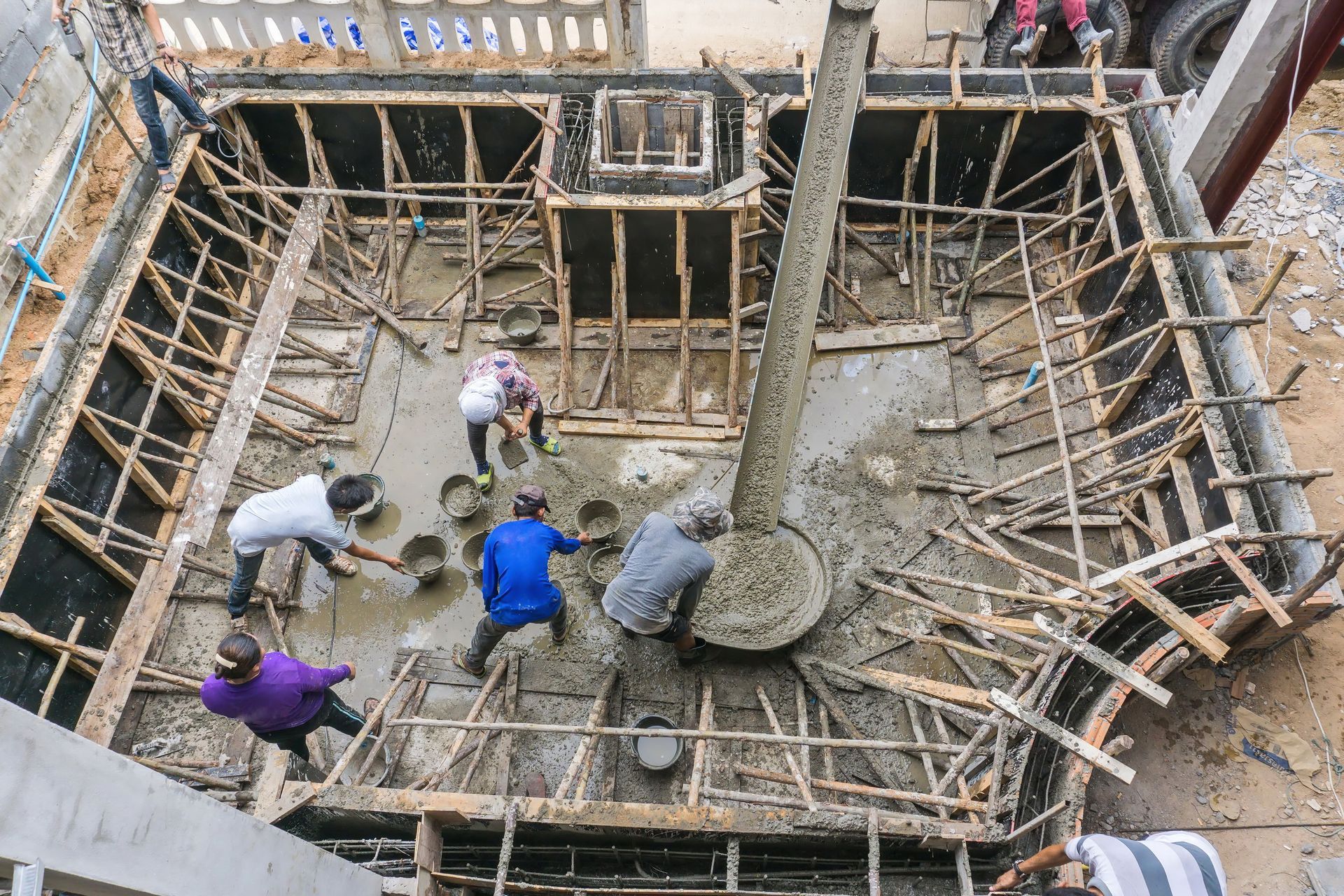
Building a custom swimming pool requires making numerous design decisions that impact the appearance and longevity of your backyard investment. Selecting the appropriate surface material is vital for a beautiful and durable result. A high-quality interior layer seals the concrete shell and provides a smooth or textured surface for swimmers to enjoy. This decision impacts the water's color, maintenance requirements, and overall comfort of your outdoor oasis.
When reviewing the various options for gunite pools, you'll find materials ranging from standard plaster to exposed aggregate and premium glass tiles. Each option presents distinct advantages regarding initial cost, projected longevity, and ultimate aesthetic appeal. Your choice should align with your household needs, budget, and local climate conditions. Exploring these elements in detail helps you make an informed decision and ensures you enjoy a stunning swimming environment that lasts for your backyard.
Compare Common Gunite Pool Finish Materials
Plaster remains the most traditional and economical surface application used in modern pool construction in the industry. It consists of a simple mixture of white cement and crushed marble, creating a classic, smooth bottom that reflects sunlight and gives the water a bright blue appearance. While standard plaster offers a clean look and a lower initial installation cost, it generally has the shortest lifespan. Homeowners can expect standard plaster to last between seven and 10 years before requiring resurfacing.
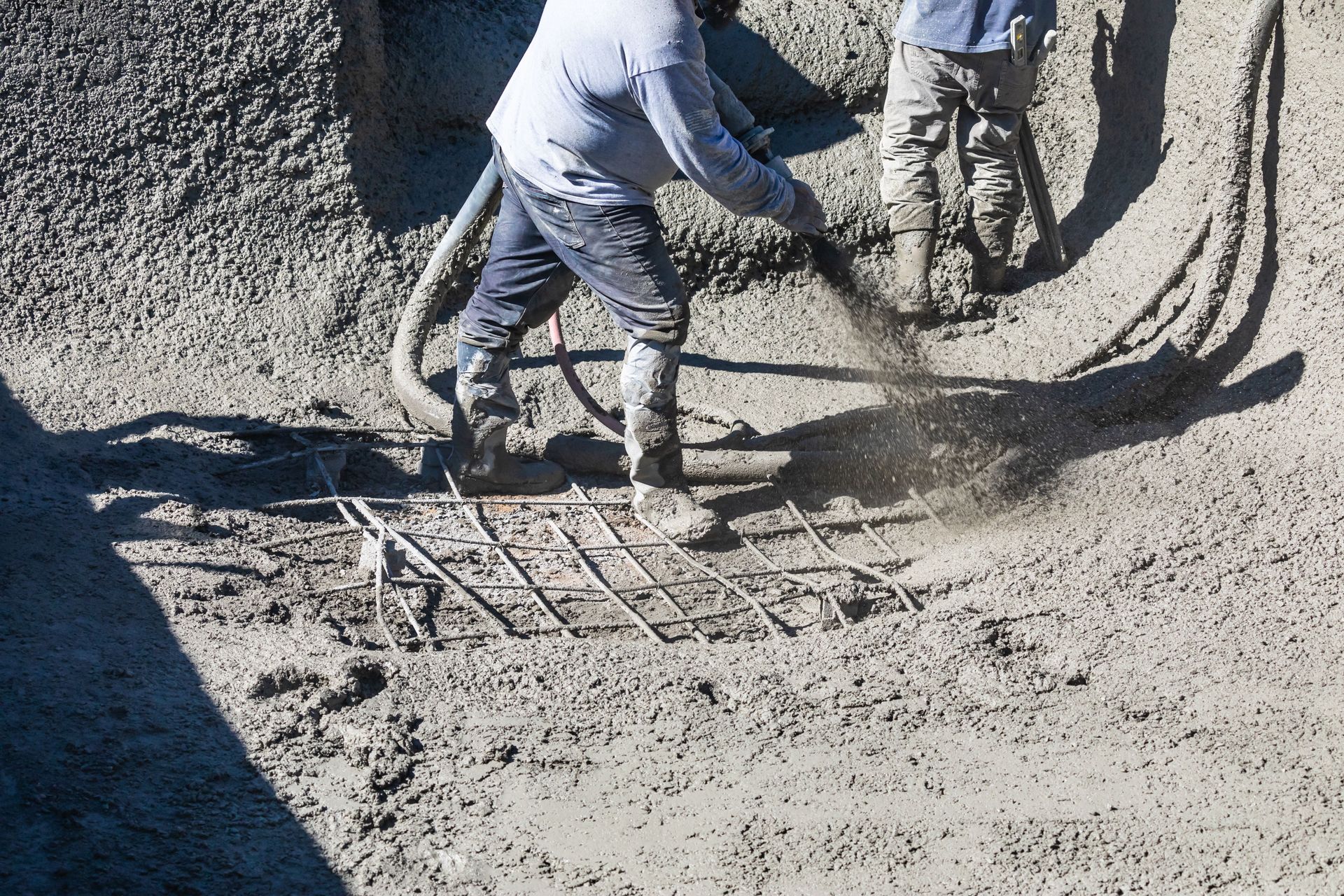
Aggregate finishes combine cement with small pieces of quartz, river pebbles, or glass beads to create a durable and visually striking surface. According to Britannica, gunite has three primary benefits: it can be colored, it can take various shapes, and it can be molded after application. These structural benefits allow aggregate materials to adhere to complex custom designs. The exposed stones resist chemical damage much better than standard plaster, extending the lifespan of the interior to 15 or 20 years.
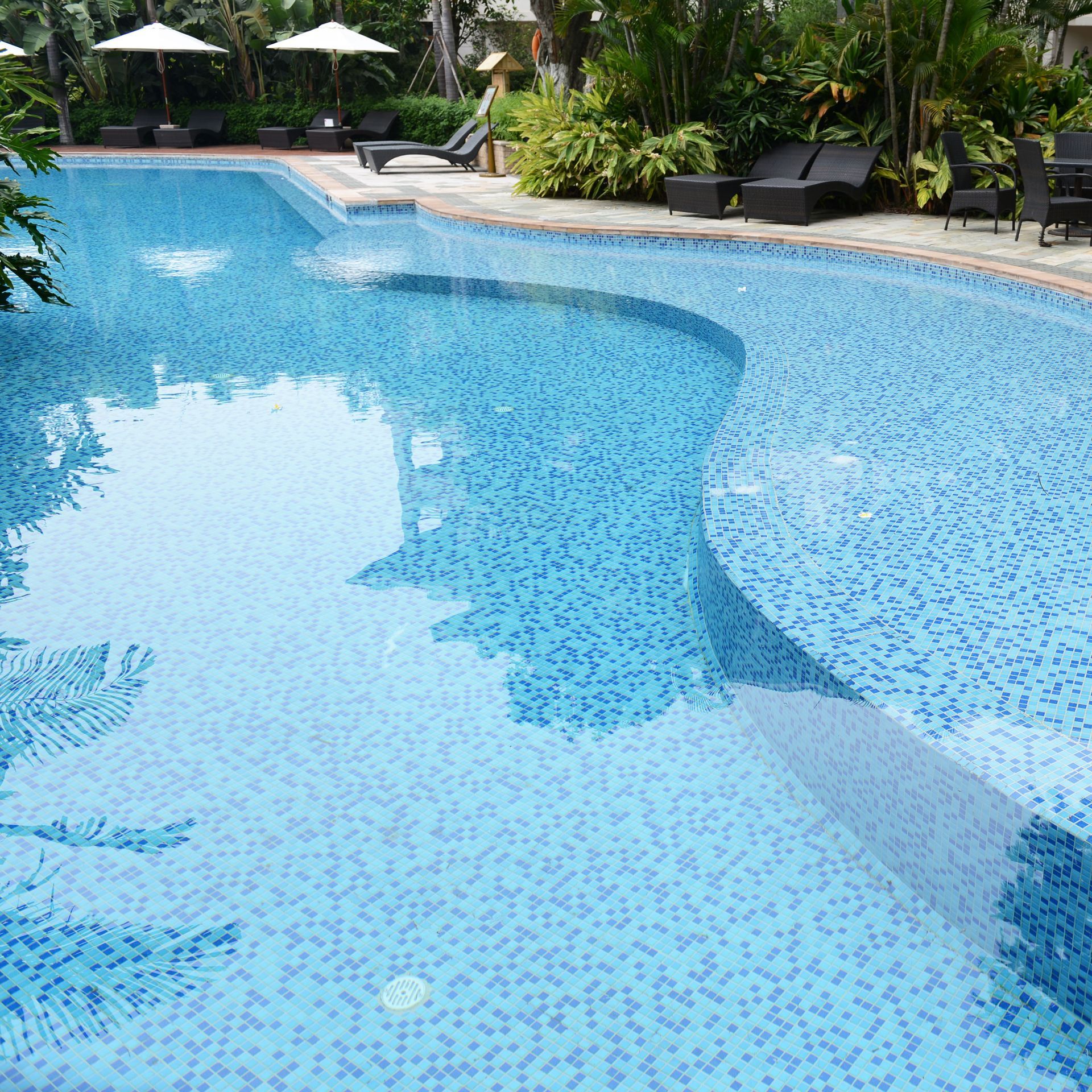
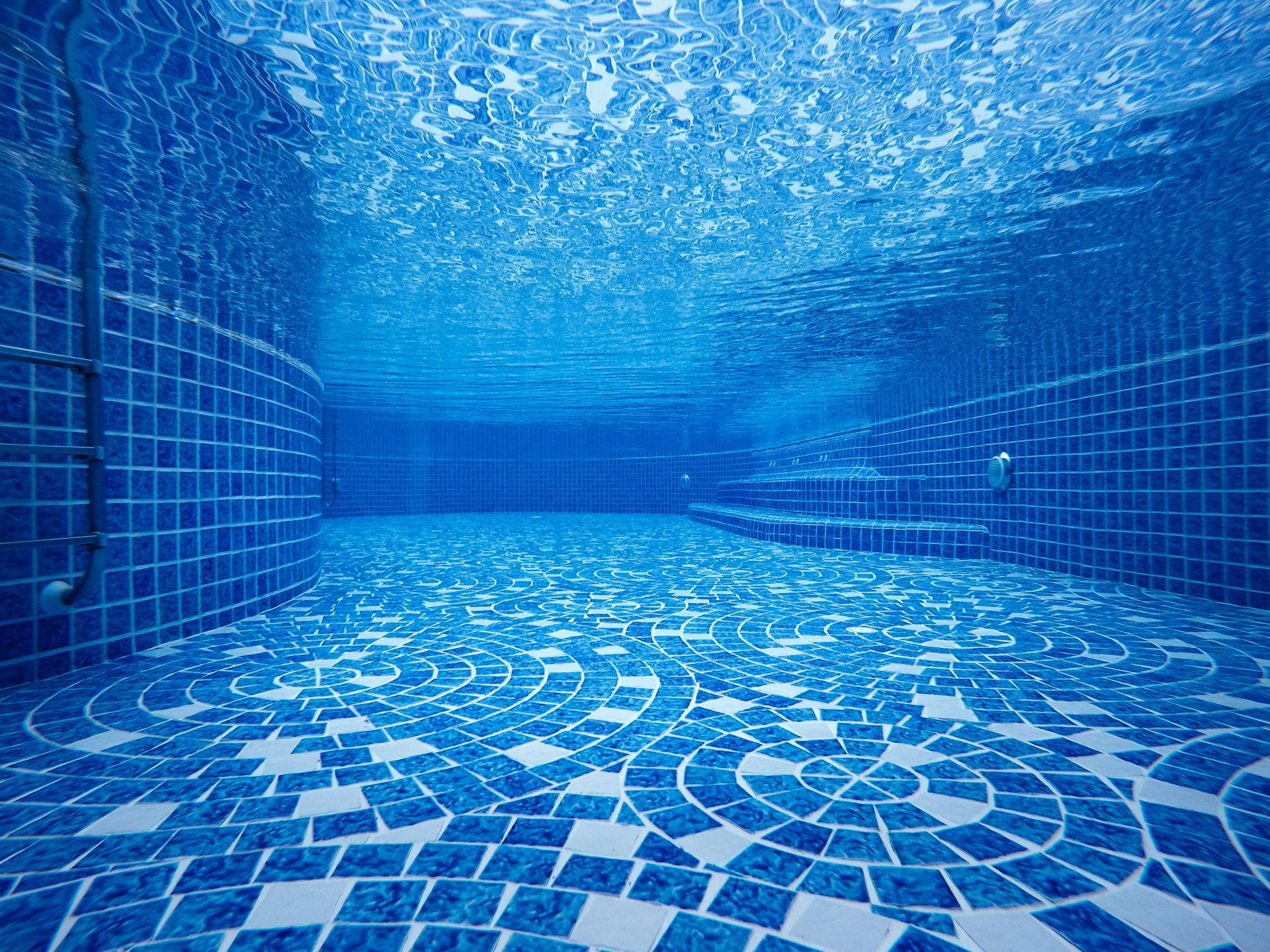
Tile represents the premium tier of surface options, offering unmatched durability and striking visual appeal for any luxury project. Glass, porcelain, and ceramic tiles can cover just the water line or line the entire interior of the structure. A fully tiled surface naturally resists algae growth and routine chemical imbalances, making it resilient against long-term wear. Though it requires a significant financial investment upfront, a properly installed tile surface can last for several decades, reducing long-term resurfacing costs.
Evaluate Color, Texture, and Surface Comfort
The visual impact of gunite pools depends heavily on the color profile and how the material interacts with sunlight. Lighter materials create a classic, bright blue watercolor that looks crisp and inviting. Darker applications give the water a reflective quality that mimics a natural lagoon. These dark surfaces also absorb heat from the sun, which can naturally raise the water temperature by a few degrees and lower your heating bills during cooler months.
Texture plays a crucial role in how swimmers experience the water, especially for families who spend hours playing in the shallow end. Standard plaster provides a very smooth surface that feels gentle on bare feet. However, as it ages and begins to etch, plaster can become rough. Pebble finishes offer exceptional durability but introduce a rougher texture that some swimmers find uncomfortable for prolonged standing. Many manufacturers now offer mini-pebble variations that provide durability while delivering a smoother, refined texture.
When planning the overall design, owners must balance their aesthetic desires with practical safety considerations regarding traction. A highly polished tile or a very smooth plaster might look stunning but can become slippery on steps, benches, and zero-entry slopes. To mitigate slip hazards, builders often use slightly textured aggregates or matte-finish tiles in shallow wading areas and on staircases. Choosing a material that provides adequate grip ensures that all family members can enter and exit the water safely.
Maintain Pool Chemistry to Protect Different Finishes
Proper water chemistry stands as the critical factor in preserving the lifespan and appearance of your interior layer. Unbalanced water can wreak havoc on any material, regardless of its initial quality. If the water becomes too acidic, it'll slowly eat away at the calcium in plaster and aggregate mixtures, leading to a rough, pitted surface known as etching. Conversely, water with high alkaline levels will cause calcium to precipitate out of the solution, forming unsightly white scaling deposits.
Different materials in gunite pools react to chemical imbalances in varying ways, which means your maintenance routine must adapt to your specific surface choice. Plaster requires the most vigilant chemical monitoring because it's susceptible to staining and etching from minor fluctuations. Aggregate surfaces offer more forgiveness due to their harder stone components, but the cement holding the pebbles together can still degrade. Fully tiled interiors are highly resistant to chemical damage, though the grout lines can deteriorate if neglected.
The maintenance process involves weekly testing to keep the pH, alkalinity, and calcium hardness within their ideal ranges. Owners should invest in a high-quality liquid test kit rather than relying solely on test strips, which can provide inaccurate readings. Adding the proper amount of acid or sodium bicarbonate keeps the water balanced and prevents premature surface degradation. Regular brushing of the walls and floor also prevents dirt and algae from embedding into porous surfaces without hassle.
Recognize When a Pool Finish Needs Replacing
Even with pristine maintenance and perfect water chemistry, every interior surface will eventually reach the end of its functional lifespan and require replacement. Homeowners must learn to identify the early warning signs of surface failure to prevent structural damage. One obvious indicator is widespread discoloration or deep staining that doesn't respond to standard stain removers. When the material looks perpetually dirty despite rigorous cleaning, the protective layer has likely worn away, exposing the porous material.
Physical degradation of the surface material presents another clear sign that resurfacing is imminent. If you notice small patches of the concrete shell showing through your plaster, you've got a condition known as delamination, which requires immediate attention. For pebble and quartz surfaces, excessive stone loss serves as a major red flag. Finding large quantities of loose aggregate indicates that the surrounding cement matrix is failing. Rough, sandpaper-like textures on once-smooth walls also suggest severe chemical degradation over time.
Owners of gunite pools should monitor their water levels carefully and inspect the walls for visible structural cracks. Leaks and persistent water loss often accompany a failing interior layer and signal the need for a comprehensive renovation. While evaporation naturally lowers the water level during hot summer months, losing more than a quarter-inch of water per day usually points to a compromised surface seal. Catching these issues early allows you to schedule a resurfacing project before catastrophic damage occurs.
Choosing the proper interior layer for gunite pools requires careful consideration of upfront costs, desired aesthetics, and long-term maintenance commitments. Whether you prefer the classic appeal of standard white plaster, the durable nature of exposed pebble aggregate, or the luxurious shine of glass tile, your decision will define the character of your swimming environment. By understanding how different materials affect water color, surface texture, and chemical requirements, you can select an option that matches your lifestyle and preferences.
Investing in a high-quality surface material adds significant value to your property and enhances your outdoor living experience. As you plan your construction or renovation project, consult with experienced contractors to discuss which materials perform well in your specific climate. Proper installation paired with diligent water chemistry management will protect your chosen material for decades. Taking the time to evaluate physical samples and compare warranties guarantees a beautiful, long-lasting swimming area for family and guests.
Contact Creative Pools and Hardscape today to schedule your consultation with the local experts in custom gunite pools.