September 18, 2026
An older swimming pool can become one of the most difficult features of a property to evaluate. Cracked finishes, outdated tile, aging equipment, and worn decking can make homeowners wonder whether restoration is still worthwhile or whether new construction would be the better long-term investment. Because a gunite pool is built as a permanent concrete structure, many aging pools can be renovated extensively without requiring complete replacement.
According to Marketdataforecast.com, the U.S. swimming pool market was valued at $2.01 billion in 2025. Continued investment in residential pools reflects how important outdoor living spaces remain, but deciding between renovation and new construction requires more than comparing appearances. Structural condition, desired features, budget priorities, property limitations, and long-term plans all matter. Understanding these factors can help determine whether an older concrete pool remains a strong candidate for restoration.
Evaluating the Existing Pool Structure
Assessing the Concrete Shell
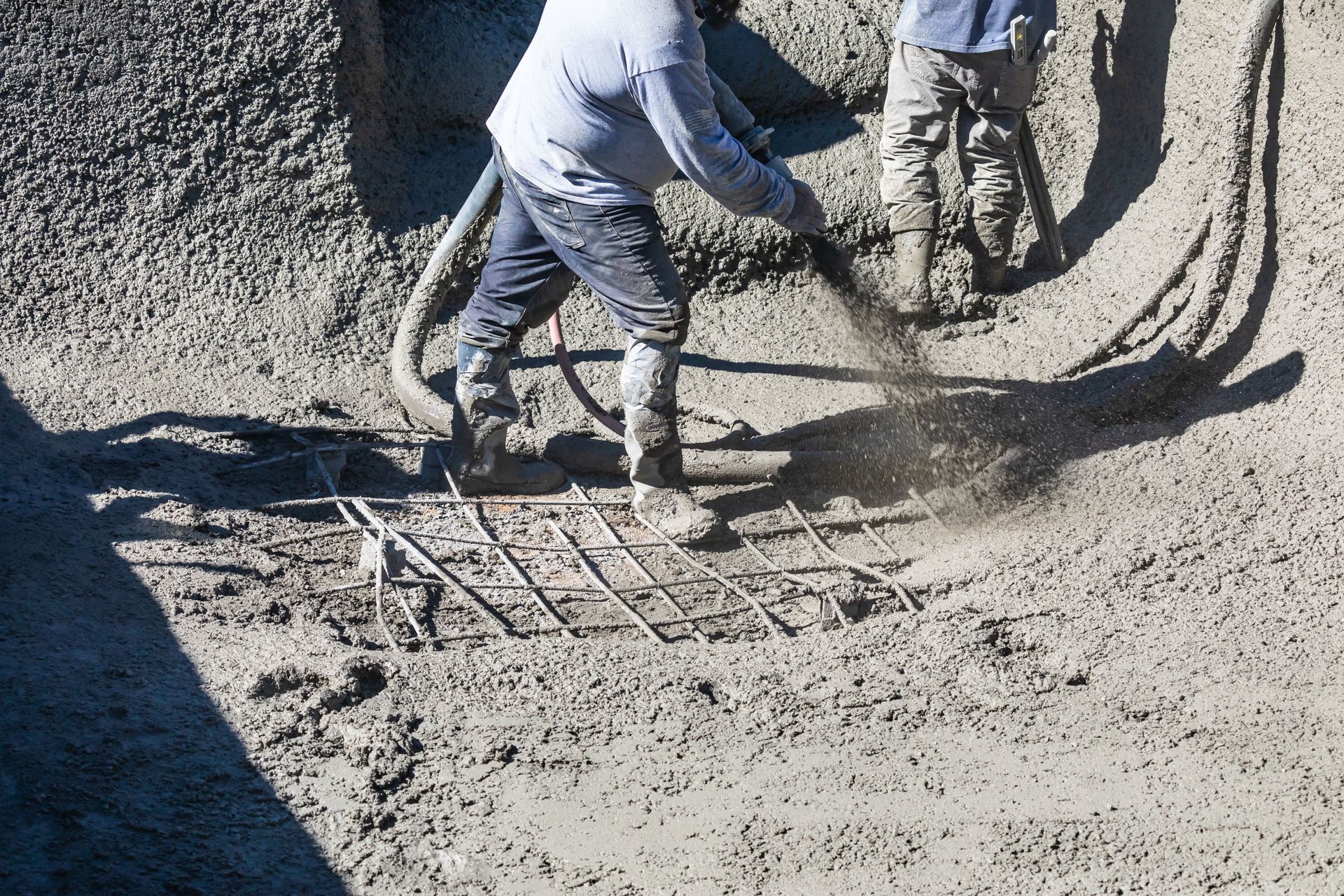
The condition of the existing shell is one of the most important considerations. Worn plaster or staining does not necessarily mean the underlying structure has failed. A professional evaluation can determine whether deterioration is mainly cosmetic or whether deeper structural concerns affect renovation options.
Assessing Visible Cracking
Concrete pools can develop cracks for different reasons. Some affect only the surface finish, while others may indicate movement or structural stress. Before restoring a gunite pool, professionals can evaluate the location and extent of cracking to determine whether repairs are practical.
Assessing Plumbing Conditions
Older plumbing can also influence whether restoration makes sense. Leaks, aging lines, and circulation problems may need to be corrected during renovation. A complete evaluation helps determine which existing systems can remain and which should be upgraded.
Assessing Long-Term Stability
A pool that has remained structurally stable for many years may be a stronger renovation candidate than one with recurring movement or repair problems. Reviewing its condition and history provides useful information about its long-term potential.
Comparing Renovation Possibilities
Updating the Interior Finish
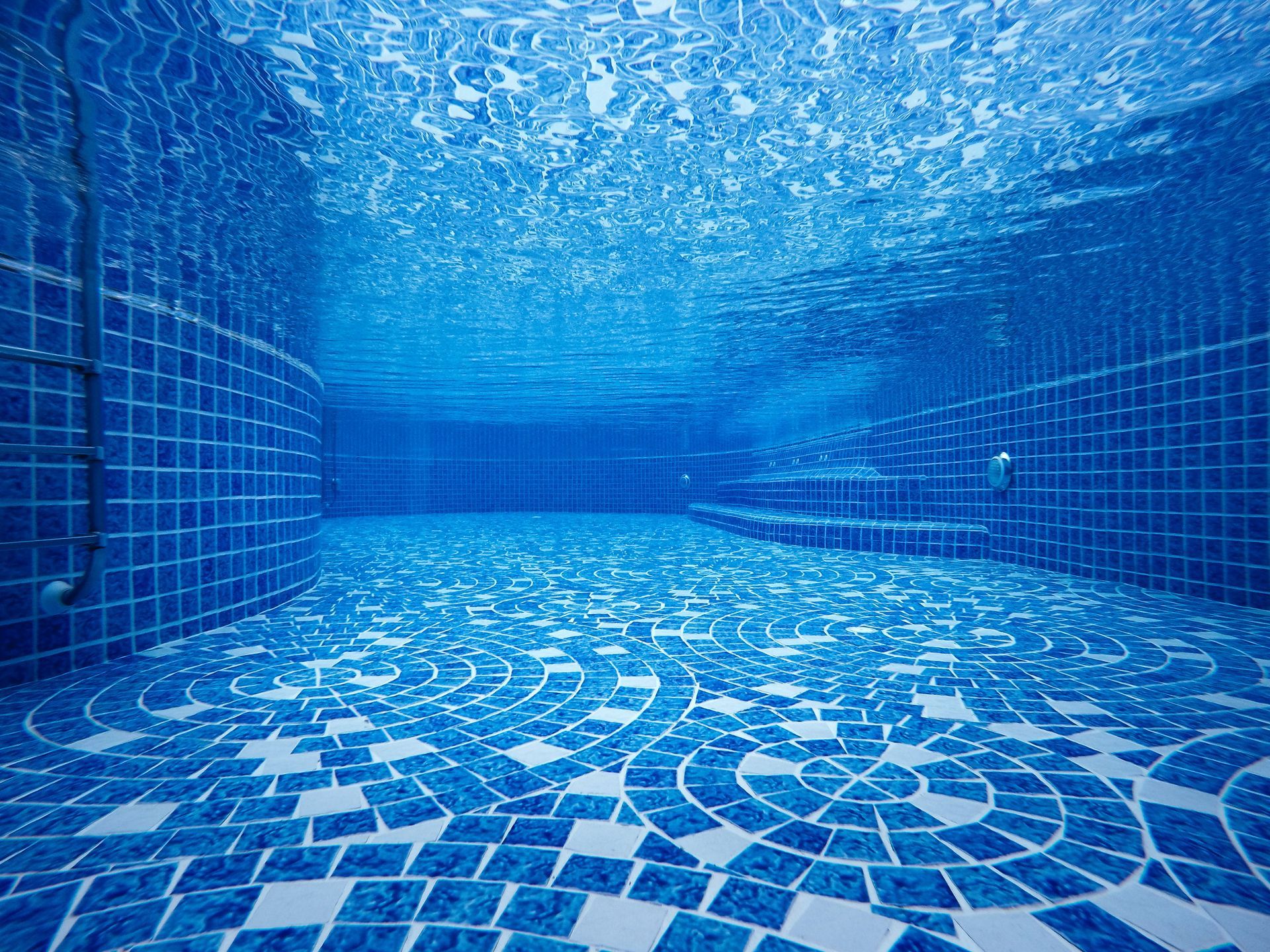
Interior resurfacing can dramatically change an aging pool. Older plaster may become rough, stained, chipped, or faded. Modern finishes offer numerous textures and colors, allowing homeowners to refresh the pool without rebuilding the entire structure.
Updating Tile and Coping
Tile and coping strongly influence appearance. Replacing outdated materials can make an older gunite pool look substantially newer while preserving the existing shell. These improvements can also help coordinate the pool with updated landscaping and surrounding hardscapes.
Updating Pool Features
Renovation may also create opportunities to add modern features. Depending on the structure and project scope, homeowners may consider updated lighting, water features, steps, tanning ledges, or automation that improves both usability and appearance.
Updating Surrounding Hardscapes
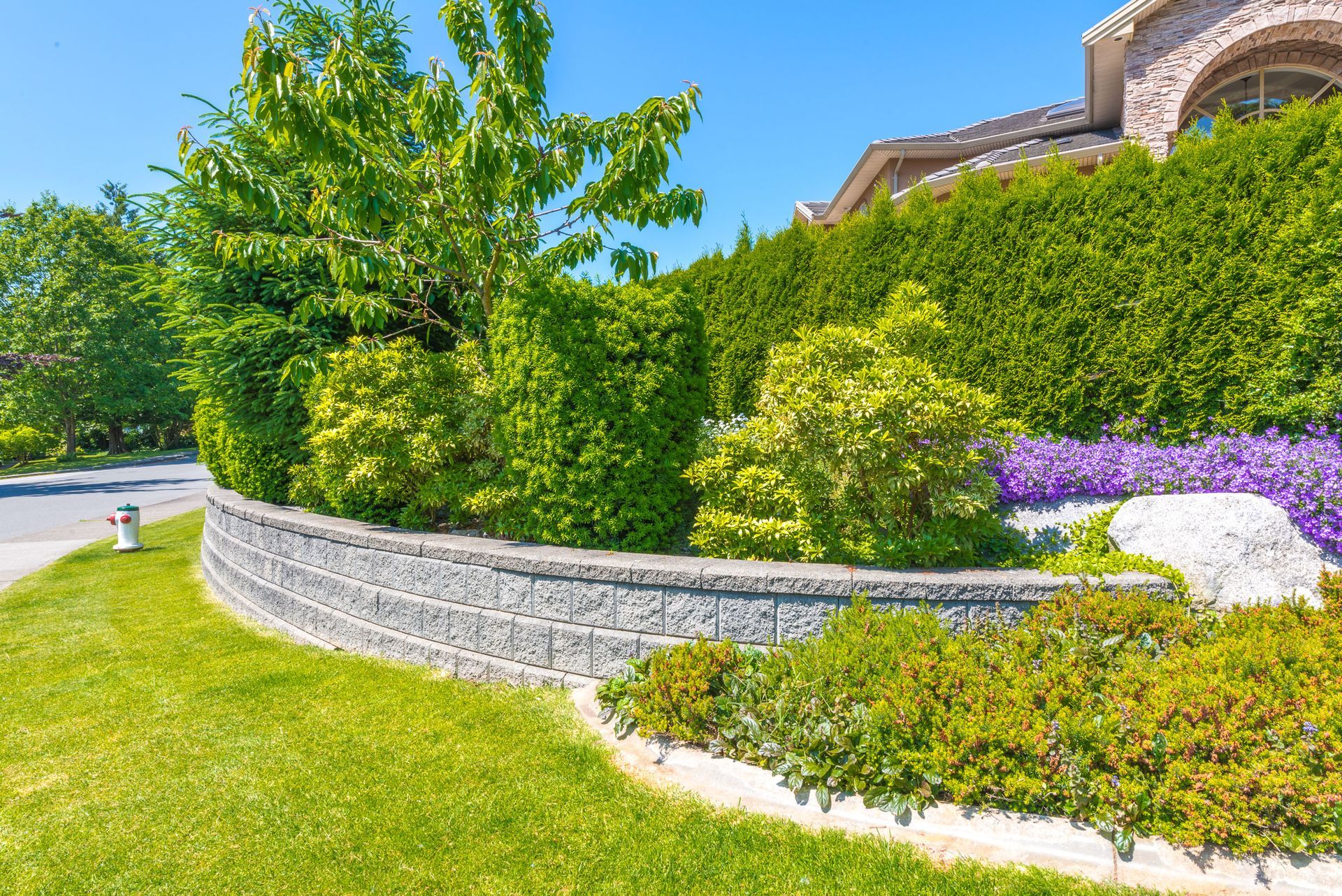
The surrounding area plays a major role in how a pool looks and functions. Renovating patios, decking, walkways, or gathering spaces alongside the pool can create a more cohesive outdoor environment.
Comparing New Construction Advantages
Changing the Pool Location
Renovation generally works within the existing pool's location. If that placement conflicts with landscaping, entertainment areas, additions, or other property plans, new construction may provide greater flexibility.
Changing the Pool Shape
Some modifications to an existing structure may be possible, but major changes can become complicated. A homeowner seeking a dramatically different shape or depth may find new construction more practical than significantly altering an older gunite pool.
Changing the Pool Size
Household needs can change over time. A pool may feel too large for current use or too small for entertainment and recreation. New construction allows homeowners to establish dimensions around their current priorities.
Changing the Overall Design
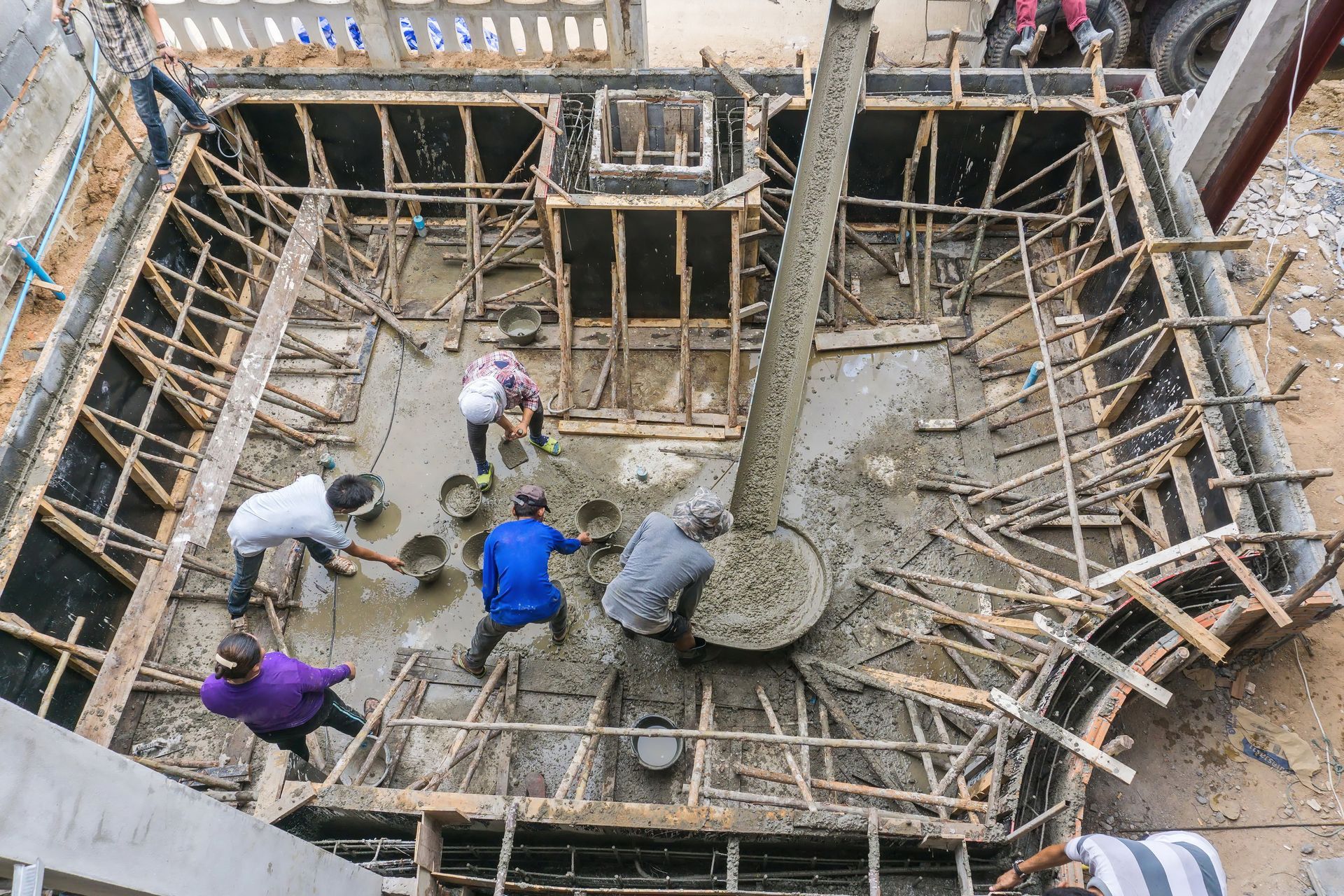
Complete reconstruction can make sense when nearly every aspect of the existing pool needs to change. If the desired project includes a new location, size, shape, and surrounding environment, starting over may offer greater design freedom.
Comparing Project Costs and Value
Considering the Existing Investment
An existing concrete shell represents substantial labor and material already invested in the property. When that structure remains usable, renovation can preserve part of that value. Restoring a gunite pool may therefore make sense when homeowners mainly want updated finishes, systems, or moderate design changes.
Considering the Renovation Scope
Not every renovation carries the same cost. Resurfacing is very different from a project involving structural repairs, plumbing replacement, new decking, and added features. As the scope increases, comparing restoration costs with new construction becomes more important.
Considering Future Maintenance
Renovation can also provide an opportunity to replace aging pumps, filtration equipment, lighting, and controls. Updating these components can modernize an older pool and reduce the number of outdated systems that remain after the project.
Considering Property Goals
Homeowners should think about how long they expect to remain at the property and how important the pool is to their lifestyle. Long-term plans can influence whether a major renovation or a completely new design offers better value.
Comparing Long-Term Design Goals
Considering Current Use
The way a household uses a pool can change considerably. A design originally intended for children may later become more focused on relaxation, exercise, or entertaining. Current use can help determine whether the existing layout still makes sense.
Considering Future Use
Renovation decisions should account for future needs as well. Homeowners may want easier entry, updated lighting, new seating areas, or features that better support changing routines. A well-planned gunite pool renovation can adapt an older structure to new priorities.
Considering the Entire Backyard
A renovation can also become an opportunity to reconsider the entire outdoor setting. Patios, walkways, landscaping, shade structures, and gathering areas all influence how the pool environment functions and feels.
Considering the Desired Transformation
The extent of the desired transformation often provides clear guidance. If homeowners still like the pool's location, size, and general shape, renovation may preserve what already works. If nearly every major characteristic needs to change, new construction may be more appropriate.
Determining Which Option Makes More Sense
Reviewing Structural Findings
The decision should begin with professional information about the existing pool. An older pool may still have a durable shell beneath dated finishes, while a newer-looking pool could have structural or plumbing concerns that complicate renovation.
Reviewing Design Priorities
Homeowners should compare what they want with what the existing structure can realistically support. If improvements involve finishes, equipment, and moderate additions, restoration may offer considerable flexibility. Clear design priorities can also help determine which upgrades will have the greatest impact on the pool's appearance and functionality.
Reviewing Project Expectations
Understanding the full project scope creates a better basis for comparison. Pool renovations can involve structural repairs, finishes, plumbing, equipment, hardscaping, and design changes, all of which should be considered together.
Reviewing Professional Recommendations
Every property presents different conditions. Experienced professionals can evaluate the shell, systems, surrounding areas, and homeowner goals before recommending whether renovation or new construction is the stronger option.
Restoring an older concrete pool can be worthwhile when the structure remains sound, and homeowners still appreciate its location, dimensions, and overall layout. Renovation can provide new finishes, updated equipment, improved features, and refreshed surroundings while preserving much of the existing pool. New construction may make more sense when structural problems are extensive or the desired layout differs dramatically from what is already there. For professional guidance on renovating a gunite pool or planning a new outdoor environment, contact Creative Pools and Hardscape today to discuss the right approach for your property.