March 20, 2026
The swimming pool industry is a vibrant and complex arena where residential projects take center stage. Swimming pool contractors tasked with managing these projects face a multitude of challenges, from understanding intricate designs to navigating regulatory hurdles. Managing a residential swimming pool construction project involves not just technical expertise, but also the ability to coordinate different phases and stakeholders. Here, we'll take a closer look at how swimming pool contractors manage residential projects.
1. Initial Consultation and Planning
The initial consultation is often the most crucial phase in swimming pool project management as it sets the foundation for the entire process. Contractors must effectively listen and understand the aspirations, needs, and concerns of their clients. This understanding goes beyond mere aesthetic considerations; it involves gaining insights into the lifestyle and usage expectations the client envisions for their pool. By accurately capturing the client's vision, contractors can tailor a project plan that aligns aesthetics with functionality. A well-conceived consultation phase fosters trust and sets clear expectations between the contractor and client.
Site assessments are crucial for determining the feasibility of constructing a swimming pool in specific residential settings. By meticulously examining the available space, soil conditions, and access points, contractors can identify potential challenges early on. This step often involves technical surveys and soil tests to ensure ground stability, especially for in-ground pools, which are significantly more challenging and costly than above-ground ones. Contractors use this information to fine-tune project plans and make informed decisions about design possibilities and necessary modifications. It is this rigorous assessment that minimizes unforeseen obstacles later in the construction phase.
Understanding and complying with local zoning laws and building codes is a critical component of swimming pool project management. Contractors are responsible for navigating the regulatory landscape to identify any restrictions or special requirements pertaining to residential pool installation. This includes adherence to safety measures, setback rules, and neighborhood association guidelines. By addressing these considerations early on, contractors can avert potential legal issues and ensure community standards are met. Complying with these regulations is vital for obtaining necessary permits and progressing through subsequent construction phases.
2. Design and Engineering
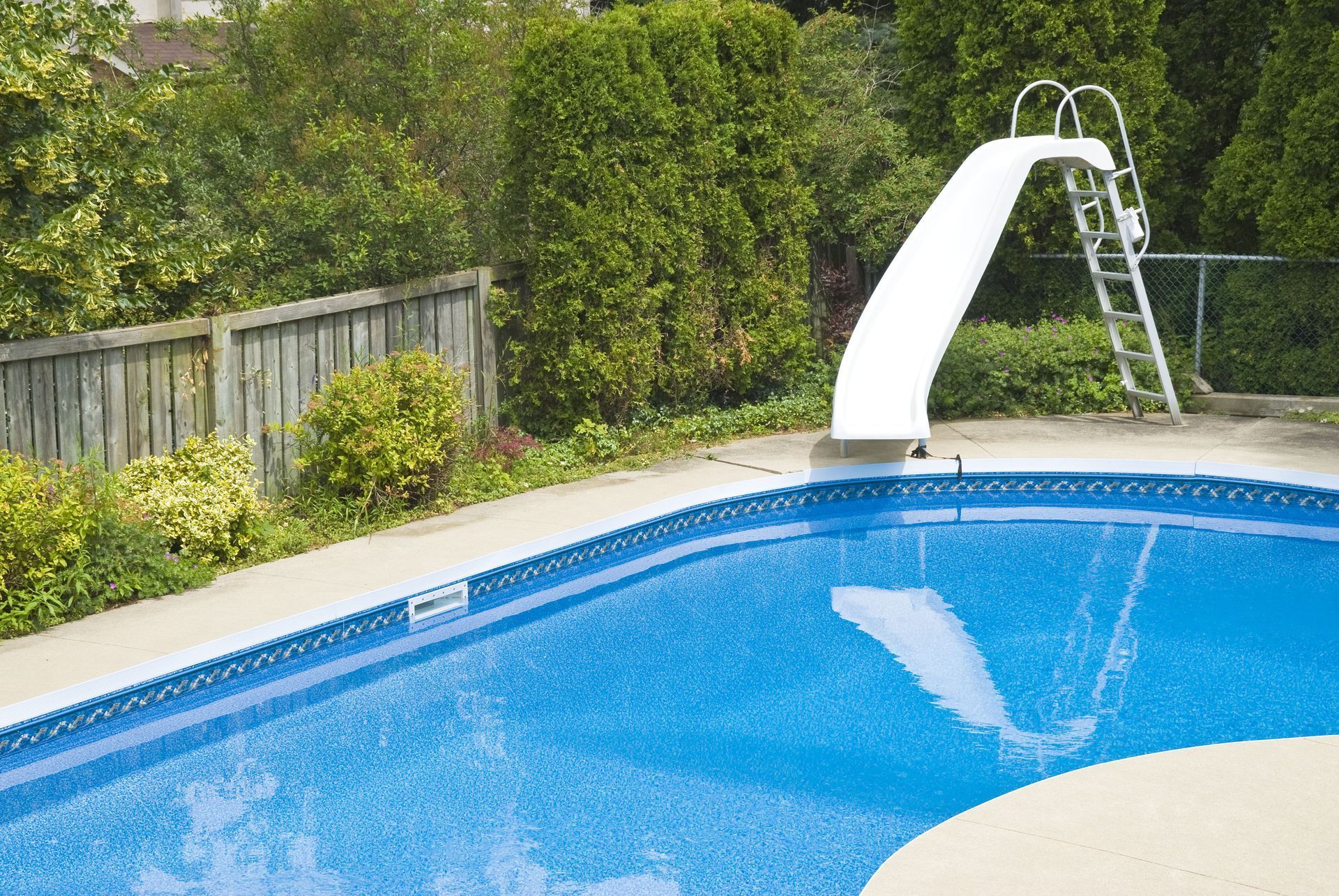
Conceptual design development marks the creative phase where the client's vision is translated into practical, achievable plans. During this phase, contractors work closely with designers and architects to blend aesthetic desires with functional requirements. Considerations such as pool shape, size, depth, and additional features like slides or waterfalls are meticulously discussed. The ultimate goal is to create a harmonious balance between beauty and utility, taking into account site constraints and budget considerations. This step lays the groundwork for more detailed engineering designs to follow.
Utilizing sophisticated CAD modeling tools, contractors can produce intricate visualizations of the proposed pool design. These tools allow for accurate 3D representations, offering clients a realistic preview of their future pool. Through CAD models, clients can explore different design options and make informed decisions about design elements, color schemes, and material finishes. The high level of detail provided in these models aids in refining structural plans and identifying potential design flaws. This step not only enhances client confidence but also ensures that the final product will match their expectations.
The structural engineering phase is integral to transforming conceptual designs into viable construction plans. Engineers analyze loads, stresses, and materials to create robust structural blueprints that ensure safety and durability. Particular attention is paid to the unique challenges of in-ground pool construction, which requires careful consideration of soil pressure and water retention. This phase also considers the integration of plumbing and electrical systems within the pool's design. By addressing these complex engineering requirements, contractors can prevent structural issues that could arise post-construction.
3. Permitting and Approvals
Local regulations can vary significantly and have profound impacts on residential swimming pool construction. Contractors must be well-versed in city ordinances, environmental regulations, and safety standards. Compliance with these local laws is not only a legal requirement but also a measure to ensure community safety and harmony. Understanding these regulations is particularly crucial in areas with tight zoning restrictions or specific aesthetic guidelines. Mastery of local laws allows contractors to navigate the permitting process smoothly, minimizing the risk of project halts and fines.
Documentation is key in the permitting process, and contractors must provide precise and comprehensive records to local authorities. This typically includes architectural drawings, engineering reports, site plans, and proof of insurance. Additionally, acknowledging environmental impact requirements demonstrates a commitment to responsible building practices. These documents must be meticulously prepared and checked for compliance before submission. Accuracy and completeness in documentation are vital for expediting approval timelines and ensuring regulatory bodies have all necessary information.
The submission of plans to local authorities marks a significant milestone in the permitting phase. Contractors must follow specified protocols and timelines, ensuring that submissions are received and acknowledged. Building positive relationships with regulatory bodies can facilitate smoother review processes and quicker turnarounds. Permitting offices may provide feedback or request further clarifications, each of which needs to be addressed promptly. Effective communication and attention to detail during submission play a crucial role in securing necessary approvals.
4. Construction Phase
The construction phase begins with site preparation, an essential step to ensure the build site is ready for pool installation. This includes clearing the area, marking boundaries, and excavating to the required depth with precision. Unforeseen ground conditions can present challenges; hence, preparation and adaptability are crucial. Excavation for in-ground pools is notably more intensive, reinforcing their premium status compared to above-ground installations. Effective site preparation sets a solid foundation for the subsequent construction tasks, mitigating delays and structural issues.
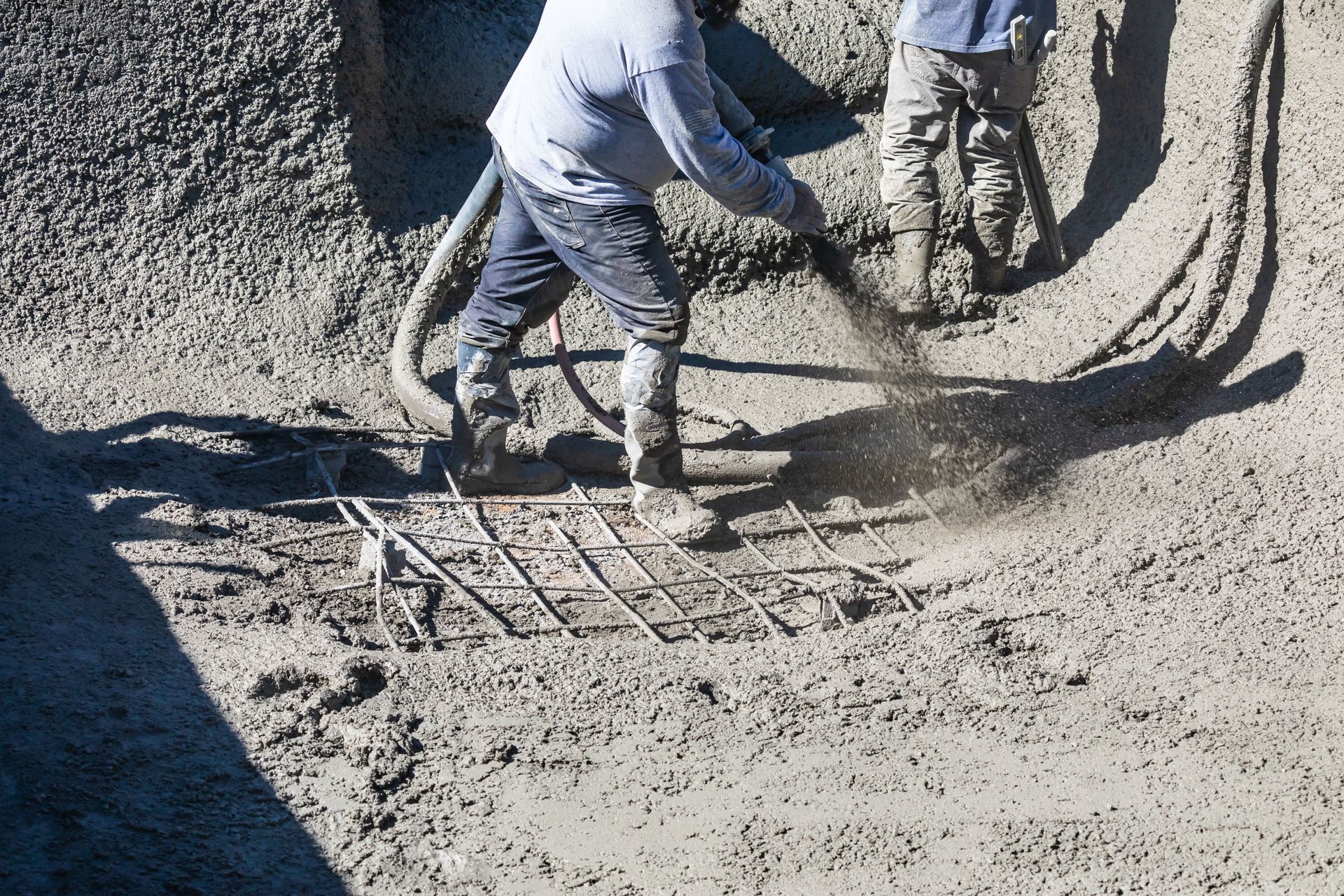
Constructing the pool shell is a delicate process requiring careful attention to detail and engineering specifications. The shell serves as the core structure, dictating the pool's form and supporting the volume of water it will hold. Material choices and engineering play a pivotal role in ensuring the shell's durability and longevity. This stage often involves specialized techniques and equipment, which underscores the premium nature of in-ground installations. A well-constructed shell provides the basic shape and structural integrity, setting the scene for the interior finishes and amenities.
5. Project Management and Coordination
Effective project management is critical in tracking schedules and achieving construction milestones within agreed timelines. Swimming pool contractors utilize project management tools to organize tasks and monitor progress against deadlines. Scheduling ensures resources are appropriately allocated to each phase, minimizing downtime and ensuring efficient workflows. Recognizing each phase's critical path aids in identifying potential bottlenecks and facilitates adjustments to maintain momentum. Successful management underpins the smooth progression of the project, ensuring on-time delivery and fulfillment of client agreements.
Swimming pool projects often require the involvement of multiple subcontractors, each specializing in various aspects such as plumbing, landscaping, and finishing. Coordinating these trades necessitates clear communication and a well-structured plan to align their efforts with the overall project schedule. Swimming pool contractors are responsible for vetting subcontractors and ensuring quality workmanship through constant oversight. Developing strong relationships with reliable subcontractors contributes to effective collaboration and reduces potential conflicts. Ultimately, effective coordination ensures each subsystem integrates harmoniously into the overall pool design.
Managing residential swimming pool projects requires an intricate balance of expertise, coordination, and resource management. Throughout the phases, from initial consultation to final handover,
swimming pool contractors
must tackle challenges with precision and agility. Effective project management encompasses understanding client needs, navigating regulatory landscapes, and delivering exceptional quality. The result is a completed project that enhances property value and client satisfaction. According to Ruby Home, swimming pools can boost the value of a home up to 7%, underscoring the importance of meticulous planning and execution. For a professional swimming pool contractor you can count on, contact Creative Pools and Hardscape today.